
BMR vs. BMI: What’s the Difference and Why Do They Matter?
MyFitnessCoach
March 27, 2025
When it comes to health and fitness, you may often hear the terms BMR (Basal Metabolic Rate) and BMI (Body Mass Index). Although these two terms might sound alike, they have completely different meanings and purposes. Understanding the difference between them can help you better manage your health and fitness goals. If you have ever been curious about what these terms mean and how they relate to your overall well-being, this article will explain them in a clear and simple way.

Table of Contents
Subscribe to our newslettter
What is BMI?
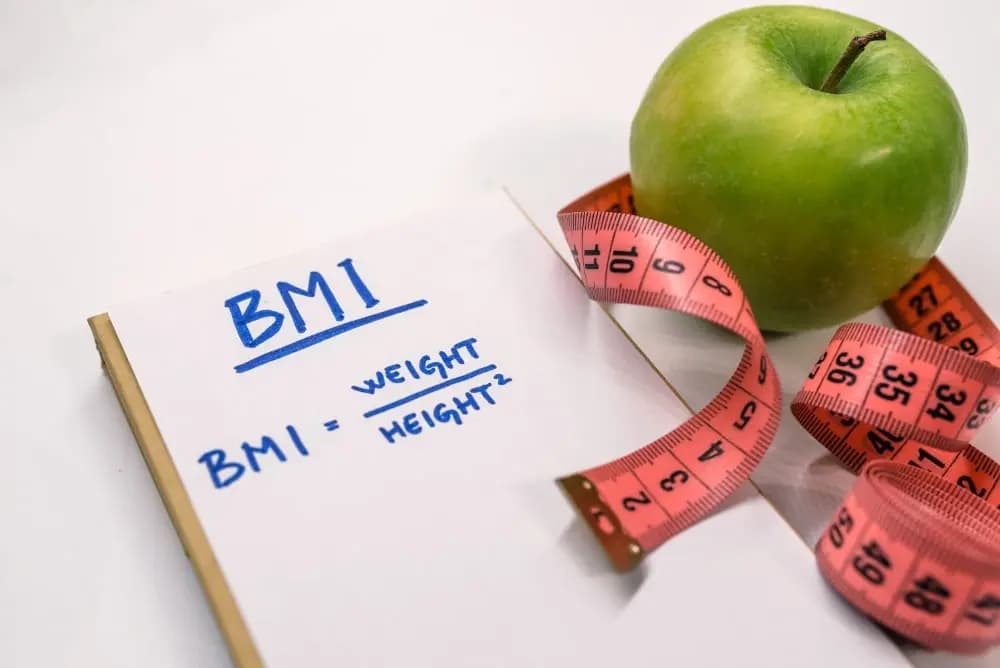
BMI, or Body Mass Index, is a simple calculation that helps determine if a person has a healthy weight for their height. The formula for BMI is:
BMI = weight (kg) / height² (m²)
For example, if you weigh 70 kg and your height is 1.75 meters, your BMI would be:
BMI = 70 / (1.75 × 1.75) = 22.86
BMI Categories:
- Underweight: BMI below 18.5
- Normal weight: BMI between 18.5 - 24.9
- Overweight: BMI between 25 - 29.9
- Obese: BMI 30 or above
BMI is widely used because it’s a quick and easy way to estimate whether a person is underweight, normal weight, overweight, or obese. However, it has its limitations.
Limitations of BMI
The Body Mass Index (BMI) does not take into account the difference between fat and muscle. For example, a person who has a lot of muscle, such as an athlete, might have a high BMI even though they have very little body fat. On the other hand, someone with a BMI that falls within the normal range could still have too much body fat and not enough muscle. Because of this limitation, BMI alone is not a completely reliable way to determine a person’s overall health. It is important to consider other factors, such as body composition and fitness levels, when assessing health.
What is BMR?
BMR, or Basal Metabolic Rate, is the number of calories your body needs to perform basic functions like breathing, circulating blood, and maintaining body temperature while at rest. In simple words, it’s the energy your body needs to survive without any physical activity.
How to Calculate BMR?
There are different formulas to calculate BMR, but the most widely used is the Mifflin-St Jeor Equation:
For men: BMR = (10 × weight in kg) + (6.25 × height in cm) - (5 × age in years) + 5
For women: BMR = (10 × weight in kg) + (6.25 × height in cm) - (5 × age in years) - 161
Example Calculation:
If you are a 30-year-old woman weighing 60 kg and 165 cm tall, your BMR would be:
BMR = (10 × 60) + (6.25 × 165) - (5 × 30) - 161 BMR = 600 + 1031.25 - 150 - 161 BMR = 1320.25 calories/day
This means your body needs approximately 1320 calories per day to function at rest.
Why is BMR Important?
Knowing your Basal Metabolic Rate (BMR) is very important when planning your fitness goals. Your BMR represents the number of calories your body needs to perform basic functions like breathing, circulation, and digestion while at rest. If your goal is to lose weight, you need to make sure you are eating fewer calories than the total amount your body burns in a day, which includes your BMR plus the calories used during daily activities and exercise. On the other hand, if you want to gain weight, you need to consume more calories than your Total Daily Energy Expenditure (TDEE), which is the combination of your BMR and the calories burned through movement and physical activity.
Key Differences Between BMR and BMI
Factor
- Definition
- Purpose
- Formula
- Considerations
- Use in Fitness
BMI
- Ratio of weight to height
- Indicates weight category
- Weight (kg) / height² (m²)
- Doesn’t distinguish between fat and muscle
- Helps categorize body weight
BMR
- Calories required to maintain basic body functions
- Determines daily calorie needs at rest
- Mifflin-St Jeor Equation
- Adjusted based on age, gender, weight, and height
- Helps in calorie planning for weight loss or gain
How BMR and BMI Impact Your Fitness Journey
Weight Loss
- BMI helps you understand if you’re in a healthy weight range.
- BMR helps you determine how many calories you need daily to lose weight safely.
Muscle Gain
- BMI isn’t helpful for measuring muscle gain.
- BMR helps you set calorie goals to build muscle without gaining excess fat.
General Health
- BMI can indicate potential health risks linked to obesity or being underweight.
- BMR helps you maintain a balanced diet by knowing how much energy your body needs.
Start Your Fitness Journey Today!
Ready to take control of your health? Download MyFitnessCoach today and get personalized fitness plans, nutrition guidance, and real-time tracking to achieve your goals efficiently.

Whether you want to lose weight, build muscle, or simply stay fit, MyFitnessCoach has everything you need in one app.
Frequently Asked Questions
Similar Articles
Stay informed with these similar articles.
MyFitnessCoach
November 2, 2023
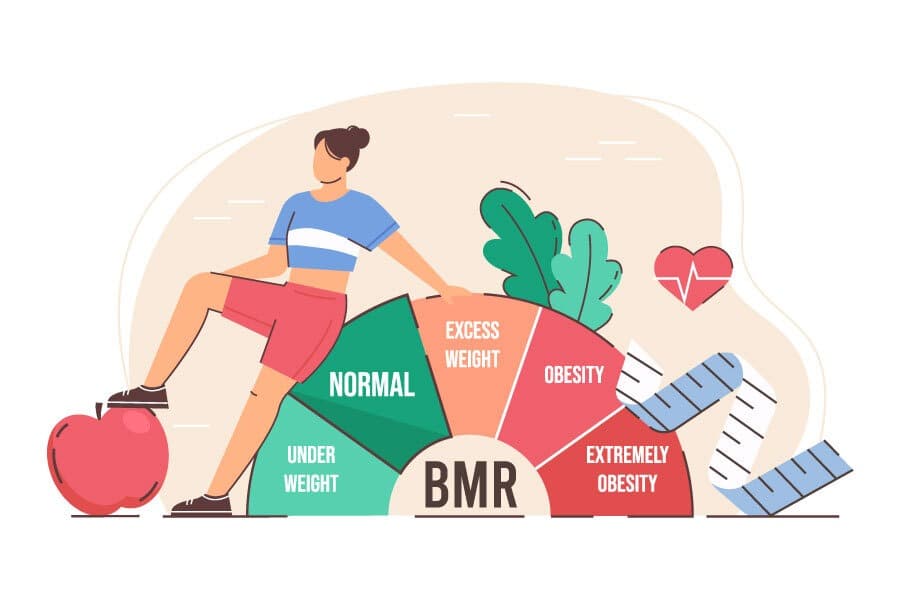
What is BMR (Basal Metabolic Rate)?
Have you ever wondered why some people seem to eat whatever they want and not gain weight, while others struggle to get rid of those extra fats despite strict diets and intense workouts? The answer to this puzzle lies in a concept known as BMR, or Basal Metabolic Rate. While the term may sound complex, understanding BMR is crucial in explaining the science behind our bodies' energy expenditure and, ultimately, our weight management. In this article, we'll break down the concept of BMR in simple terms, explaining what it is, how it's calculated, and why it's so important for your overall fitness and health.
MyFitnessCoach
December 4, 2024
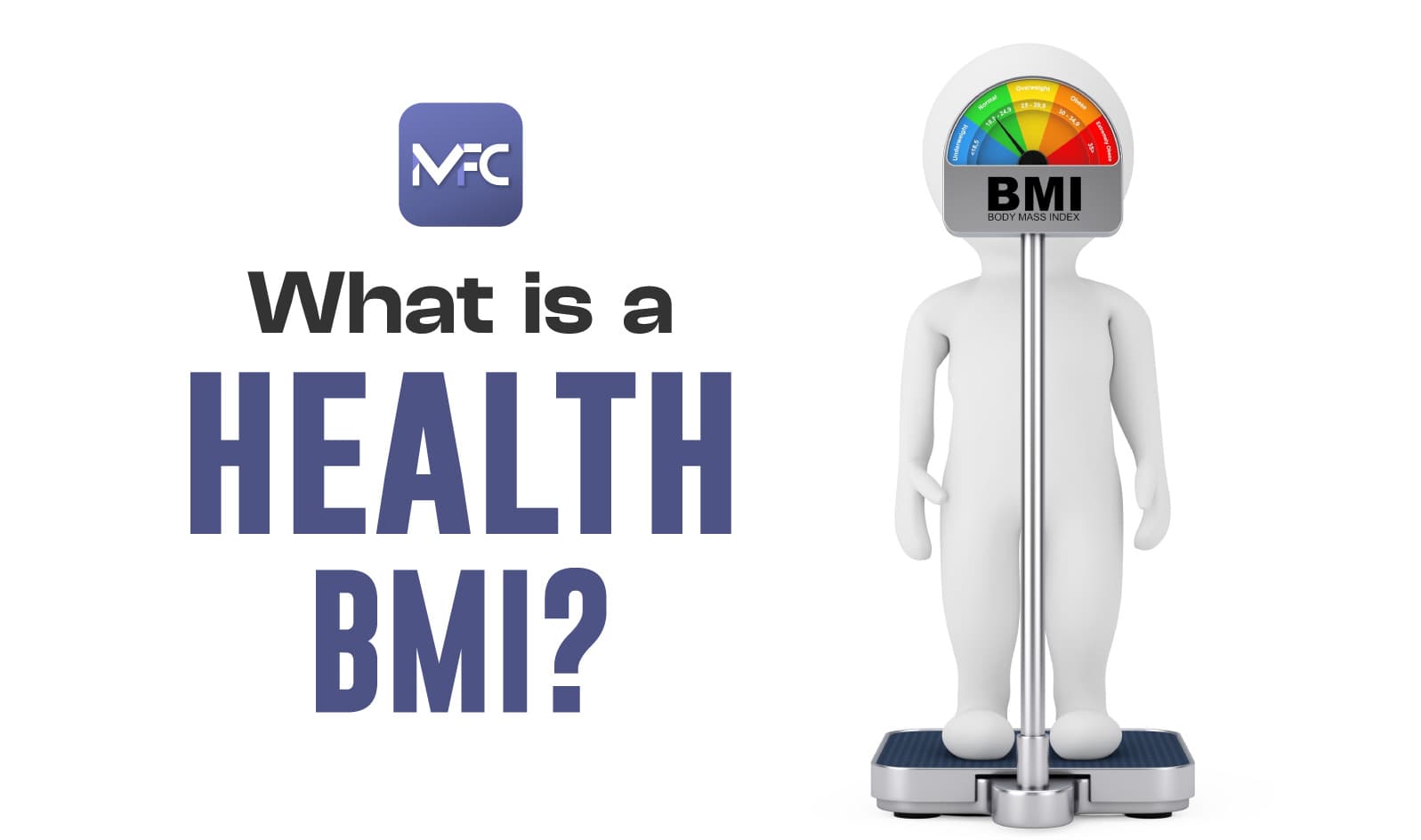
What is a Healthy BMI, and How Important Is It?
When people talk about health and fitness, BMI (Body Mass Index) often comes up as a way to understand if a person has a healthy weight. This simple metric helps indicate if someone is underweight, overweight, or in a healthy weight range. However, BMI isn’t the only measure of health, and understanding its importance and limitations can help you make more informed fitness choices. In this article, we’ll explore what a healthy BMI is, how BMI is calculated, its limitations, and how you can use it in your fitness journey with the MyFitnessCoach app.

MyFitnessCoach
April 9, 2025
Weight Gain When Constipated: Causes, Solutions & Prevention
Have you ever noticed that when you are constipated, you feel bloated and heavier than usual? This might make you wonder if constipation can actually cause you to gain weight. The simple answer is yes, but not in the way most people think about weight gain. When you are constipated, your body holds on to waste, which can lead to temporary weight changes. You may also experience water retention and bloating, which can make you feel even heavier. However, this type of weight gain is not due to an increase in body fat. Instead, it is just a temporary effect that goes away once your digestion returns to normal.