
Exercise Makes Me Tired and Fatigued, What to Do?
MyFitnessCoach
March 11, 2025
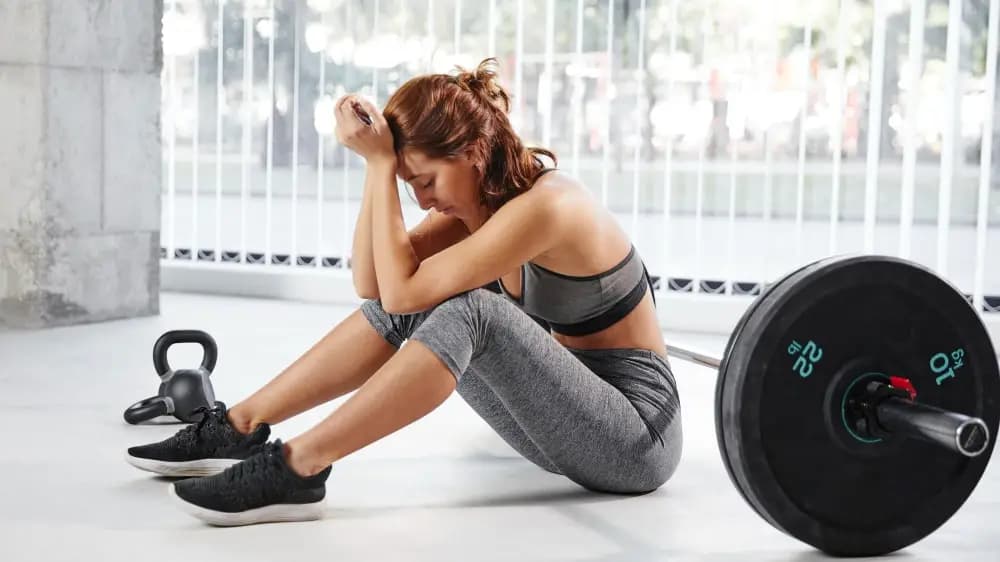
Exercise is one of the best ways to stay healthy, boost energy, and improve your mood. But what if instead of feeling energized, you feel tired and fatigued after working out? If this sounds familiar, you’re not alone. Many people experience fatigue after exercise, and it can be frustrating. The good news is that there are practical steps you can take to fix this problem. In this article, we’ll explore why exercise might be making you tired and what you can do to feel better. Plus, we’ll introduce you to a fitness app called MyFitnessCoach that can help you optimize your workouts and avoid fatigue.
Table of Contents
Subscribe to our newslettter
Why Does Exercise Make Me Tired?
Feeling tired after exercise is normal, especially if you’re new to working out or pushing yourself too hard. However, if fatigue persists, it could be due to one or more of the following reasons:
- Overtraining: Exercising too much or too intensely without proper rest can exhaust your body. Your muscles need time to recover, and overtraining can lead to chronic fatigue.
- Poor Nutrition: Your body needs fuel to perform well during exercise. If you’re not eating enough or not consuming the right nutrients, you may feel tired and sluggish.
- Dehydration: Water is essential for energy production and muscle function. Even mild dehydration can make you feel fatigued during and after exercise.
- Lack of Sleep: Sleep is when your body recovers itself. If you’re not getting enough rest, your energy levels will drop, and exercise will feel harder.
- Medical Conditions: Sometimes, fatigue after exercise can be a sign of an underlying health issue, such as anemia, thyroid problems, or low iron levels.
- Incorrect Workout Routine: If your workout routine isn’t balanced or suited to your fitness level, it can lead to excessive tiredness.
What to Do If Exercise Makes You Tired
If exercise leaves you feeling drained, don’t give up! Here are some practical tips to help you feel more energized and avoid fatigue:
1. Start Slow and Gradually Increase Intensity
If you’re new to exercise or returning after a break, start with low-intensity workouts like walking, yoga, or light stretching. Gradually increase the intensity and duration of your workouts as your fitness improves. This will help your body adapt without feeling overwhelmed.
2. Fuel Your Body Properly
Eating a balanced diet is crucial for energy. Focus on:
- Carbohydrates: They provide quick energy (e.g., whole grains, fruits, and vegetables).
- Protein: It helps repair muscles (e.g., eggs, chicken, beans).
- Healthy Fats: They provide sustained energy (e.g., nuts, avocados, olive oil).Also, eat a small snack 30-60 minutes before exercising, like a banana or a handful of nuts.
3. Stay Hydrated
Drink water throughout the day, not just during your workout. Aim for at least 8-10 glasses of water daily. If you’re doing intense exercise or sweating a lot, consider a sports drink to replenish electrolytes.
4. Get Enough Sleep
Aim for 7-9 hours of quality sleep each night. Sleep helps your body recover and prepares you for the next workout. If you’re struggling with sleep, try establishing a bedtime routine and avoiding screens before bed.
5. Listen to Your Body
Rest is just as important as exercise. If you’re feeling overly tired, take a break or opt for a lighter workout. Overtraining can lead to burnout and injuries.
6. Balance Your Workouts
A well-rounded fitness routine includes cardio, strength training, and flexibility exercises. Avoid doing the same type of workout every day, as this can strain specific muscles and lead to fatigue.
7. Check for Underlying Health Issues
If fatigue persists despite making these changes, consult a doctor. They can check for conditions like anemia, vitamin deficiencies, or thyroid problems.
8. Warm-Up and Cool Down
Always start your workout with a 5-10 minute warm-up to prepare your body. After exercising, cool down with stretches to help your muscles recover.
9. Track Your Progress
Keeping track of your workouts can help you identify patterns and adjust your routine. For example, if you notice you’re always tired after a certain type of exercise, you might need to modify it.
How MyFitnessCoach Can Help
If you’re struggling with exercise-related fatigue, MyFitnessCoach is here to help. This fitness app is designed to make your workouts more effective and enjoyable while preventing fatigue. Here’s how it can help you:
- Personalized Workout Plans: MyFitnessCoach creates customized workout plans based on your fitness level, goals, and preferences. This ensures you’re not overdoing it and helps you progress at a comfortable pace.
- Nutrition Guidance: The app offers meal plans and nutrition tips to fuel your body properly. You’ll learn what to eat before and after workouts to boost energy and recovery.
- Rest and Recovery Tips: The app includes recovery exercises in your plan, ensuring your body gets the rest it needs.
- Progress Tracking: With MyFitnessCoach, you can track your workouts, monitor your progress, and adjust your routine to avoid fatigue.
By using MyFitnessCoach, you’ll have all the tools you need to stay active, energized, and motivated. Say goodbye to exercise-related fatigue and hello to a healthier, happier you!
Take Control of Your Fitness Journey with MyFitnessCoach
If exercise is leaving you tired and fatigued, it’s time to make a change. With the right approach, you can enjoy the benefits of working out without feeling drained. MyFitnessCoach is your ultimate partner in achieving a balanced, effective, and enjoyable fitness routine. Download the app today and start your journey toward better energy, health, and well-being. Your body will thank you!
Ready to transform your workouts and say goodbye to fatigue? Download MyFitnessCoach now and take the first step toward a healthier, more energized you!
Frequently Asked Questions
Similar Articles
Stay informed with these similar articles.
MyFitnessCoach
December 4, 2024
How Does Sleep Impact Recovery and Performance?
In the world of fitness, many people focus on training hard, eating well, and staying consistent. While these are all vital for achieving your fitness goals, there's another component that’s equally essential but often overlooked: sleep. Quality sleep doesn’t just make you feel refreshed; it’s a critical factor that affects your body’s ability to recover and perform at its best. In this article, we’ll dive into the role of sleep in muscle recovery, injury prevention, athletic performance, and how improved sleep can make a difference in your fitness journey.
MyFitnessCoach
December 2, 2024
The Benefits of Stretching Before and After a Workout
If you've ever skipped stretching before or after a workout, you’re not alone. It’s a part of fitness many of us are tempted to skip, especially when we’re pressed for time or feel like diving right into our workout. However, the benefits of stretching before and after a workout are undeniable, helping improve performance, reduce the risk of injury, and support quicker recovery. Stretching is one of the simplest yet most effective habits you can develop to enhance your fitness journey and overall well-being. Let’s explore why stretching deserves a firm spot in your fitness routine and how it can benefit you before and after your workout.
MyFitnessCoach
March 11, 2025
Hamstring and Glute Stretches: Improve Flexibility and Strength
Stretching is an essential part of any fitness routine. It helps improve flexibility, reduce muscle tension, and prevent injuries. Two of the most important muscle groups to stretch are the hamstrings and the glutes. These muscles play a key role in movement, stability, and overall lower body strength. Whether you're an athlete, a fitness enthusiast, or someone just starting their fitness journey, incorporating hamstring and glute stretches into your routine can make a big difference. In this article, we’ll explore simple and effective stretches for these muscles and how they can benefit you. Plus, we’ll show you how the MyFitnessCoach app can help you stay on track with your fitness goals.